How to Choose SMD Shield Covers for Your Projects?

Time:2026-03-20 Author:Mason
0%

In the world of electronics, selecting the right components is crucial for successful projects. Choosing SMD Shield Covers is no exception. Jake Thompson, an expert in SMD technology, once stated, “Quality SMD Shield Covers can protect your designs and enhance performance.” This emphasizes the importance of making informed decisions.

SMD Shield Covers come in various materials and sizes. Understanding your project requirements is key. For instance, some applications may need humidity resistance, while others prioritize shielding from interference. Testing different covers can lead to unexpected outcomes, sometimes revealing flaws in initial choices.

Many overlook ventilation when selecting SMD Shield Covers. Adequate airflow is essential to avoid overheating. Not every cover will fit perfectly, which can lead to inefficiencies. Always consider potential flaws in design or compatibility. Ultimately, the right choice can elevate your project, while the wrong one can hinder progress.
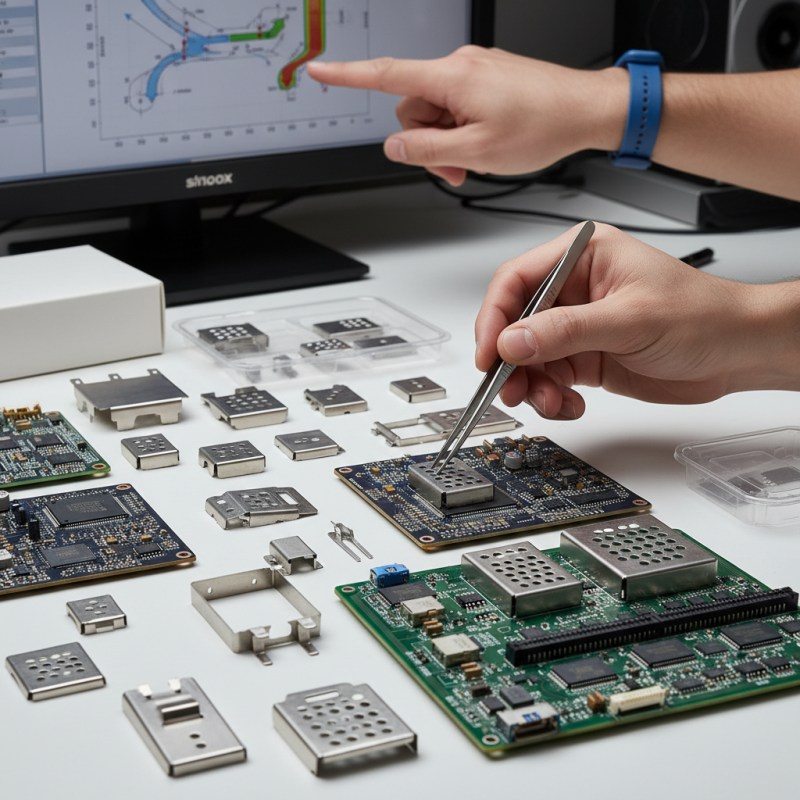
How to Choose SMD Shield Covers for Your Projects?

Factors to Consider When Selecting SMD Shield Covers for Electronics

When selecting SMD shield covers for your electronics projects, consider material and durability. Some materials are better for certain environments. If your project gets hot, go for heat-resistant materials. For outdoor projects, weatherproofing is crucial.

Fit is equally important. Make sure the shield fits your components well. A poor fit can lead to interference or damage. It’s wise to mock up your design first. Sometimes it’s hard to judge size just by measurements.

Tips: Always check the inner dimensions. A tight fit can be beneficial but not too tight. Also, consider airflow. Good ventilation can help maintain performance. Adjusting design based on these factors can improve your results. Effective shielding can make a significant difference in electronic projects.

Understanding Different Types of SMD Shield Covers and Their Applications

Choosing the right SMD shield cover is essential for your projects. Various types exist, each with unique applications. Understanding these covers helps in making informed decisions.

There are several materials for SMD shield covers. Metal covers provide excellent shielding against electromagnetic interference (EMI). They are durable and effective. However, they can be heavier and more difficult to work with than plastic options. Plastic covers are lighter but may not shield as well. Each material has trade-offs.

Tips: Consider the environment of your project. Is it outdoors or indoors? Are there temperature fluctuations? Each factor influences your decision.

With different shapes and sizes available, it’s vital to pick a cover that fits well. An improper fit may lead to exposed components. This is not ideal for functionality. Test different options if necessary. Don’t shy away from prototypes.

Tips: Always check the specifications before finalizing a purchase. Small details can make a big difference in performance. Adjust your choice based on feedback and testing results. Keep the learning curve in mind.

Impact of Shielding Effectiveness on Electromagnetic Interference (EMI)

When it comes to selecting SMD shield covers, the shielding effectiveness is crucial. Effective shielding minimizes electromagnetic interference (EMI), which can disrupt circuit functionality. Poor shielding can lead to malfunctioning devices. It’s essential to evaluate the material and construction of the shield covers. Metal shields generally provide better protection than plastic ones.

Material choice is vital for optimal shielding. Various metals have different conductivity levels. A shield made of copper might outperform one made of aluminum in certain applications. However, copper can be heavier and more expensive. Balancing effectiveness with cost and application needs is tricky. There’s no one-size-fits-all solution. Test various materials to find the best fit for your project.

Pay attention to the shield's design. Seamless designs can enhance shielding effectiveness. Gaps or poorly fitted joints can allow EMI to seep through. Every project has unique requirements, so experiment with various designs. The right SMD shield cover can significantly improve performance. It’s an iterative process that may require adjustments along the way.

Material Choices for SMD Shield Covers: Steel, Aluminum, or Plastic?

When selecting materials for SMD shield covers, the choice often narrows down to steel, aluminum, or plastic. Steel is durable and provides excellent protection against electromagnetic interference. Its weight can be a downside, making it less ideal for portable projects. Steel might rust if not coated properly, raising questions about longevity.

Aluminum presents a good alternative. It is lightweight and offers decent durability. The resistance to corrosion makes it suitable for various environments. However, aluminum can be more expensive than other options. Some users find that it scratches easily, which can affect aesthetics over time.

Plastic is a popular choice for many projects. It’s lightweight, easy to mold, and inexpensive. However, some plastics may not provide the same level of shielding as metal options. They can warp under high temperatures. Understanding these material qualities can help in making an informed decision. Be mindful of your specific needs and project conditions. Always weigh the pros and cons carefully.

How to Choose SMD Shield Covers for Your Projects? - Material Choices for SMD Shield Covers: Steel, Aluminum, or Plastic?

Material Weight (g/m²) Cost (USD/m²) Corrosion Resistance Electrical Conductivity (S/m) Best Use Case
Steel 7800 10 Moderate 10.0 x 10⁶ Heavy-duty applications
Aluminum 2700 25 Good 35.0 x 10⁶ Lightweight covers
Plastic 800 5 Low 1.0 x 10⁶ Cost-effective solutions

Cost-Benefit Analysis: Quality vs. Price in SMD Shield Cover Selection

When selecting SMD shield covers, cost and quality often collide. A recent report revealed that 48% of engineers prioritize cost over performance. Choosing cheaper options may seem wise initially, but this can lead to higher failure rates. One study found that low-quality covers contributed to a 25% increase in project downtime.

Balancing quality and price is tricky. Investing in superior SMD shield covers can enhance durability. Projects using high-quality materials noted a 30% reduction in maintenance costs. However, not all expensive options guarantee better performance. The market has found that about 10% of premium products underperform. Thus, research is crucial before buying.

Engineers often overlook the long-term effects of their choices. A good shield cover protects components from electromagnetic interference. This can significantly improve circuit reliability. Yet, with so many options available, engineers must sift through conflicting data. A careful approach is necessary to avoid pitfalls and secure project success.

FAQS

: What materials are commonly used for SMD shield covers?

: There are metal and plastic options. Metal provides excellent shielding but can be heavier. Plastic is lighter but may not shield as effectively.

Why is the fit of an SMD shield cover important?

A good fit prevents interference and component damage. Poor fits can expose components, affecting functionality.

How can I ensure my shield cover fits correctly?

Always check the inner dimensions before purchasing. Mock up your design to evaluate the fit.

What environmental factors should I consider when choosing a shield cover?

Consider temperature fluctuations and whether the project is indoors or outdoors. Each condition affects the material choice.

Is airflow important when selecting a shield cover?

Yes, good ventilation helps maintain device performance. A tight fit is beneficial, but it shouldn't be too tight.

How can I gather feedback on my shield cover choice?

Testing different options and prototypes is crucial. Adjust based on performance during testing and any gathered feedback.

Conclusion

When selecting SMD shield covers for your electronics projects, several key factors must be considered to ensure optimal performance. Understanding the different types of SMD shield covers and their specific applications is crucial. Shielding effectiveness plays a vital role in minimizing electromagnetic interference (EMI), which can affect the reliability of electronic devices. Additionally, the choice of materials—whether steel, aluminum, or plastic—impacts both the performance and durability of the shields.

Conducting a cost-benefit analysis is essential, as it helps balance quality against price. High-quality SMD shield covers may entail higher initial costs but can provide better longevity and shielding effectiveness. Therefore, weighing these factors carefully will help you make an informed decision that aligns with your project requirements and budget.


Mason

Mason

Mason is a seasoned marketing professional with a deep expertise in the company's offerings and a passion for driving brand awareness. With a strong background in digital marketing strategies, he has an innate ability to connect with diverse audiences and effectively communicate product benefits.......