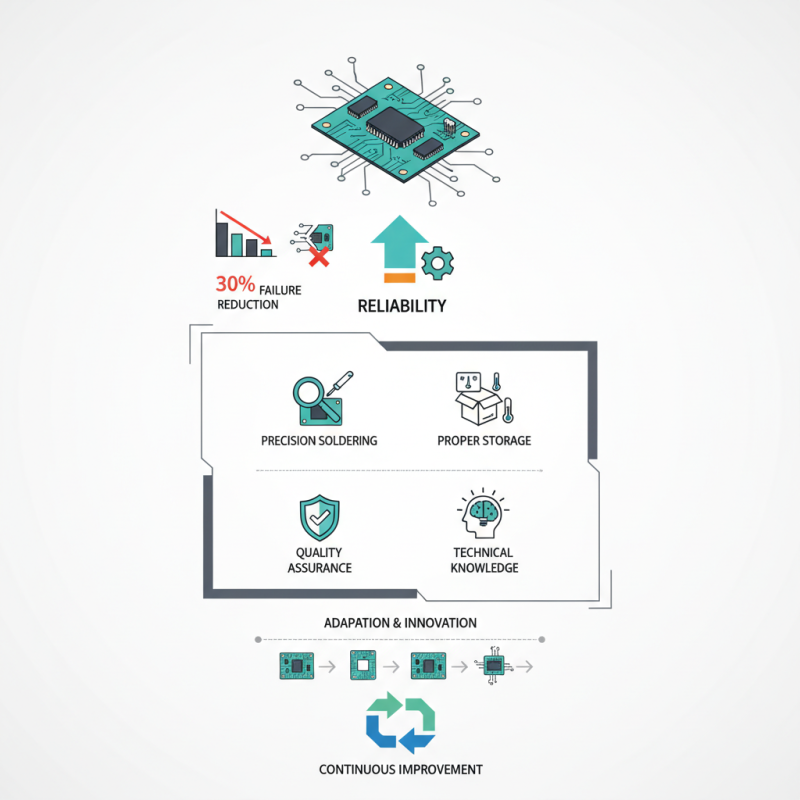
The effective use of SMD patch terminals is crucial in electronic applications today. A recent report from the Electronics Components Industry Association (ECIA) states that improper use can lead to a 30% increase in failure rates. This statistic emphasizes the importance of mastering techniques for SMD patch terminal handling. According to industry expert Dr. Emily Chen, "Understanding the nuances of SMD patch terminals can significantly enhance device reliability and performance."
Achieving optimal results with SMD patch terminals requires precision and knowledge. Many technicians overlook critical aspects like soldering techniques, which can compromise the overall functionality. Moreover, proper storage conditions are often neglected, affecting terminal integrity. The industry faces challenges with varying quality standards among suppliers, leading to inconsistent outcomes. Maintaining quality assurance is not just recommended; it's essential.
SMD patch terminals may seem straightforward, but the nuances can overwhelm even seasoned professionals. Striving for improved practices in their application will yield better reliability. As the industry evolves, adapting to new challenges in SMD patch terminal technology is necessary. It demands constant reflection and improvement to ensure success in an increasingly competitive market.
SMD patch terminals are crucial in modern circuit designs. They provide a compact and reliable way to connect components. Understanding their structure is essential for effective usage. These terminals often have a small footprint, making them perfect for space-constrained applications.
When using SMD patch terminals, precision is vital. Ensure proper alignment during soldering. Misalignment can lead to weak connections or even component failure. It's important to use appropriate tools for the task. A binocular microscope can help see finer details, reducing the risk of errors.
To maintain a robust connection, consider temperature profiles during soldering. Too high a temperature can damage components, while too low may lead to poor solder joints. Regularly inspect your work under magnification to catch mistakes early. A small oversight can lead to significant issues later on. Debugging faulty connections can be time-consuming and frustrating. Taking your time can save you headaches in the long run.
This chart illustrates the effectiveness of different connection methods for SMD patch terminals based on their performance ratings. The data shows the average rating from several tests, outlining the advantages of each method.
When choosing the right SMD patch terminal for your project, consider its application. Think about the requirements, like size, current rating, and ease of soldering. This ensures compatibility with your PCB design. A poor choice can lead to performance issues.
For effective use, pay attention to the layout. Place terminals where access is easy. Accessibility can improve repair and replacement processes. If placed poorly, you might face difficulties later on.
It's also crucial to evaluate the soldering technique. Different terminals may require specific approaches or tools. Improper soldering can affect connectivity. Test your setup before finalizing it. Small mistakes can lead to big troubles. It's often in these details where problems hide.
When working with SMD patch terminals, having the right tools is crucial for a successful installation. One essential tool is a high-quality soldering iron. Choose one that heats quickly and has adjustable temperature settings. This helps prevent damage to sensitive components. Pair it with solder wire that has a flux core. Flux makes soldering easier and cleaner.
Tweezers are another vital tool. Look for antistatic tweezers with fine tips. These allow for precise placement of small components. Make sure to practice your technique. A shaky hand can lead to misalignment. Don't rush; take your time. Additionally, a magnifying glass or microscope can help you see better. It's easy to miss small details without proper magnification.
Using a heat gun can be beneficial for reflow soldering, but it requires practice. Getting the temperature right is key. Too hot can damage components, while too cool won't melt the solder. Test the heat gun on scrap components first. Experimenting helps build confidence. Each step in the process is an opportunity to learn and improve. Don’t be afraid to make mistakes; they can lead to better techniques.
Soldering SMD patch terminals can be challenging, but with practice, it becomes manageable. Start by gathering your tools: a soldering iron, solder wire, tweezers, and a magnifying glass. Ensure your workspace is well-lit and organized. This helps in avoiding distractions and mistakes.
Next, apply solder paste on the pads of the PCB. Too much can lead to solder bridges. Use a minimal amount. Place the terminal accurately on the pads. This requires steady hands, and sometimes, you may misalign it. Don't hesitate to adjust it quickly. After positioning, gently heat the connection. Watch for the solder to flow. If it doesn't, you might be too far from the right temperature.
After soldering, inspect your work closely. Look for gaps or bridges. Troubleshoot if necessary. Rework might be needed, which can be frustrating. Practice is key. Each attempt teaches you something new. Embrace the mistakes – they lead to better skills and confidence in soldering SMD patch terminals.
Testing and maintaining SMD patch terminals requires a systematic approach. Regular inspections are crucial. A study by the IPC shows that 30% of electronic failures are due to poor solder joints and connections. Visual checks help identify issues like corrosion and mechanical strain. Use a magnifying glass for detailed evaluations. Pay attention to any signs of wear or loose connections.
Electrical testing forms an essential part of maintenance. Multimeters are handy tools for checking resistance and continuity. Make sure to test under varying loads to simulate real-world conditions. Research indicates that 20% of failures occur under stress, making this step vital. Additionally, using thermal imaging can detect hot spots that may lead to failure.
Documentation of all tests is necessary for tracking performance over time. Logs help identify patterns, highlighting areas needing improvement. Many professionals overlook this practice, which can lead to repeated failures. Reflection on past issues improves future reliability. Regular training on these best practices for all team members is equally important. Honing these skills can significantly enhance the longevity of SMD patch terminals.
: Consider the application, size, current rating, and soldering ease for compatibility with your PCB design.
Place terminals for easy access. This improves repair and replacement processes, reducing future difficulties.
Different terminals need specific soldering methods. Improper techniques can lead to connectivity issues.
A quality soldering iron, flux core solder, antistatic tweezers, and a magnifying glass are vital for accuracy.
Practice improves precision in component placement. A shaky hand can cause misalignment and impact performance.
Regular inspections and electrical testing with multimeters are crucial. Check under varying loads for best results.
Documenting tests helps track performance and identify patterns. Reflecting on past issues can prevent future failures.
Regular inspections are essential. They help identify issues like corrosion and wear that may affect terminal performance.
Regular training on best practices enhances skills. This can significantly improve the longevity of SMD patch terminals.
SMD patch terminals are essential components in various electronic projects, offering a reliable connection solution for surface-mounted devices. Understanding these terminals involves a thorough overview of their types and specifications, which is crucial when selecting the right SMD patch terminal for specific applications. This guide emphasizes the importance of using appropriate tools for installation and provides a step-by-step approach to soldering, ensuring effective and durable connections.
Additionally, implementing best practices for testing and maintaining SMD patch terminals can significantly enhance the longevity and performance of electronic devices. By following these essential tips, users can optimize the functionality of SMD patch terminals in their projects, ultimately leading to more efficient and robust electronic systems.

Sanyu