High Voltage Transformers How They Work and Their Applications?

Time:2026-03-16 Author:Isabella
0%

High Voltage Transformers play a crucial role in electrical systems. These devices transform voltage levels to suit different applications. They are essential in both industrial and commercial settings.

Understanding how High Voltage Transformers work is vital. They function by stepping up or stepping down voltage levels. This process involves electromagnetic induction, which can be complex yet fascinating. The efficiency of these transformers significantly impacts power distribution.

Applications of High Voltage Transformers are diverse. They are used in power plants, substations, and transmission lines. However, not all transformers are created equal. Some designs may lead to energy losses or maintenance issues. It’s essential to reflect on the technology and its real-world implications. Efficient transformers can save energy and reduce costs, but challenges remain.
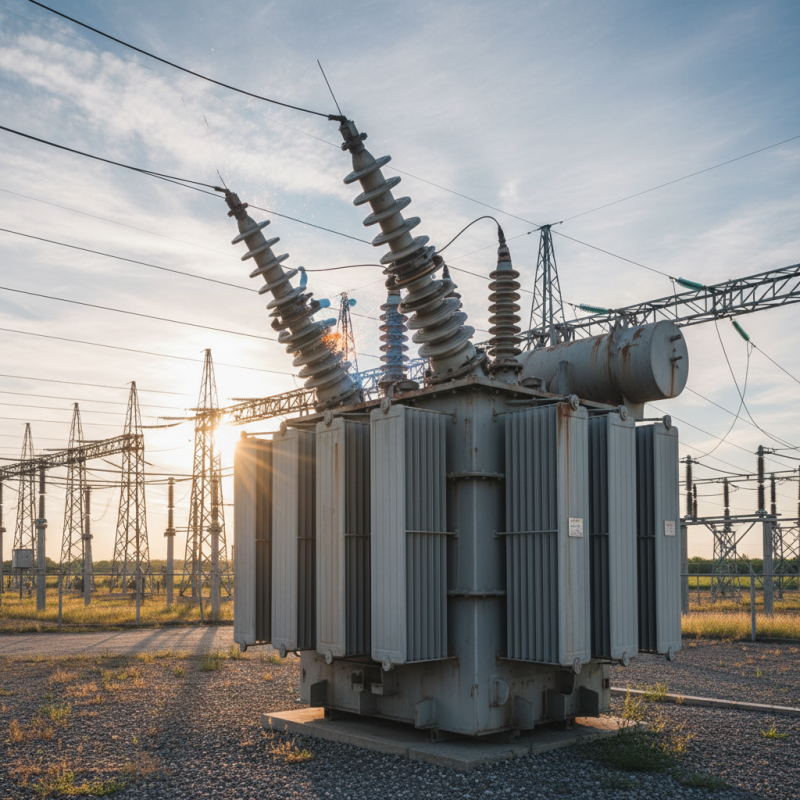
High Voltage Transformers How They Work and Their Applications?

Understanding High Voltage Transformers: Basic Principles of Operation

High voltage transformers play a crucial role in electricity transmission. These devices adjust voltage levels to enable efficient power distribution. Typically, they step up voltage for long-distance transmission and step down voltage for end-user consumption. By increasing voltage, they minimize energy loss over transmission lines. Reportedly, transmission losses can be as high as 8% without these transformers.

The basic principles of operation involve electromagnetic induction. A primary coil receives input voltage, creating a magnetic field. This magnetic field induces voltage in the secondary coil. This process is not without its challenges. Efficiency can be impacted by heat generation. The materials used in transformer construction also affect performance. For instance, copper loss accounts for about 2-5% of energy loss in transformers, which can be significant over time.

Designing high voltage transformers requires balancing performance and cost. Engineers must consider load demands and environmental factors. Not all transformers are optimized for specific applications. Some might underperform in particular settings. Industry reports suggest continuous advancements in materials and technologies aim to enhance efficiency. Yet, room for improvement remains. The need for sustainable energy solutions pushes the industry to innovate further.

High Voltage Transformers - How They Work and Their Applications

Parameter Description
Voltage Rating Typically ranges from 1 kV to over 1000 kV.
Core Material Commonly made from silicon steel or ferrite.
Winding Type Often constructed using copper or aluminum wire.
Cooling Method Air, oil, or gas cooling depending on design.
Applications Used in power transmission, substations, and industrial facilities.
Safety Features Include insulation, circuit breakers, and protective relays.
Efficiency Generally greater than 95% under optimal conditions.
Maintenance Regular inspections and monitoring of oil quality and insulation.

Components of High Voltage Transformers and Their Functions

High voltage transformers are crucial in power transmission. They transform voltage levels for efficient distribution. Their components play essential roles in this process.

The core is a central component. It guides the magnetic field, facilitating energy transfer. The coils are crucial as well. They are made of numerous turns of wire, influencing the transformer's voltage transformation ratio. Insulation materials are vital too. They prevent electrical breakdown, ensuring safety during operation.

However, challenges exist. Maintenance is necessary to prevent failures. Overheating can compromise the coil insulation. According to industry reports, improper cooling can reduce efficiency by up to 20%. Additionally, contaminants can lead to insulation deterioration. Regular inspections help mitigate these risks.

Common Applications of High Voltage Transformers in Industry

High voltage transformers play a crucial role in various industries. They can efficiently convert high voltage electricity from power lines to lower voltages suitable for use in factories and power plants. Industries like manufacturing and utilities rely heavily on these transformers. They ensure the safe transmission and distribution of electrical power.

In manufacturing, high voltage transformers are vital for supplying power to heavy machinery. They reduce the risks of electric shock and overloads, making processes safer. For example, they help power large induction motors used in assembly lines. Such equipment often requires a stable power supply, and transformers provide that necessity.

When using high voltage transformers, remember these tips: Monitor the temperature regularly. High temperatures can indicate problems. Perform routine maintenance to avoid unexpected failures. Don't ignore unusual noises or vibrations; they could signal deeper issues. Regular checks can prolong the lifespan of your transformers significantly.

Advantages and Challenges of Using High Voltage Transformers

High voltage transformers have unique advantages, but they come with challenges. One major advantage is their efficiency in power transmission. They minimize energy loss over long distances. This makes them essential for connecting power plants to the grid. Higher voltage allows more current to flow without overheating.

However, safety concerns exist. High voltage can be dangerous if not handled properly. Workers need extensive training. Maintenance of these transformers requires careful procedures. Failures can lead to outages and equipment damage.

**Tips:** Always prioritize safety measures. Regular inspections can help prevent issues. It’s crucial to have qualified personnel manage these systems. Understand the impact of transformer failure on the grid. High voltage transformers have limitations too. The physical size can pose installation challenges. Moreover, the initial setup costs are significantly high. It's vital to weigh the benefits against the potential risks.

High Voltage Transformers: Applications and Advantages

This chart illustrates the applications of high voltage transformers across various sectors. Power distribution leads the usage followed by industrial applications and renewable energy. High voltage transformers play a crucial role in enabling efficient energy transfer and supporting extensive infrastructural projects.

Safety Considerations for Operating High Voltage Transformers

High voltage transformers are essential in power distribution. However, operating these devices comes with significant risks. According to the IEEE Power and Energy Society, improper handling can lead to catastrophic failures. Even minor mistakes can result in severe injuries or equipment damage.

Safety protocols are crucial when working with high voltage transformers. Workers must wear appropriate personal protective equipment. Isolation techniques can reduce risks during maintenance. For instance, ensuring proper grounding is fundamental. Inadequate grounding can lead to electric shocks, which can occur even with a voltage as low as 50 volts.

Periodic inspections help identify potential issues. Regular maintenance can prevent unexpected failures. Data shows that about 30% of transformer failures result from insulation breakdown. Keeping transformers clean and dry can enhance their longevity and reliability. Addressing small issues proactively can lead to substantial savings over time.

FAQS

: What is the primary function of high voltage transformers?

: They transform voltage levels for efficient power distribution.

What is a key component of high voltage transformers?

The core guides the magnetic field and facilitates energy transfer.

How do coils affect a transformer’s performance?

Coils, composed of many wire turns, influence the voltage transformation ratio.

Why are insulation materials important in transformers?

They prevent electrical breakdown and ensure safe operation.

What maintenance issues can high voltage transformers face?

Overheating can compromise insulation, leading to reduced efficiency.

What percentage can improper cooling decrease efficiency by?

Up to 20% can be lost due to improper cooling practices.

What safety concerns are associated with high voltage transformers?

High voltage can be dangerous, necessitating extensive training for workers.

What installation challenge do high voltage transformers present?

Their physical size can make installation difficult in some locations.

Are initial setup costs for high voltage transformers low?

No, initial setup costs are significantly high, requiring careful consideration.

Why is regular inspection of transformers essential?

Inspections mitigate risks like insulation deterioration and potential failures.

Conclusion

High Voltage Transformers are essential devices used to increase or decrease voltage levels in power systems. Their operation is based on the principle of electromagnetic induction, where an alternating current generates a magnetic field that induces a voltage in a secondary coil. Key components include the core, windings, insulation, and tap changer, each fulfilling specific roles to ensure efficient and reliable performance.

These transformers find widespread applications in various industries, including power generation, transmission, and distribution. They play a crucial role in electrical grids, facilitating the safe transport of electricity over long distances. While High Voltage Transformers offer advantages such as improved energy efficiency and reduced transmission losses, they also present challenges like high maintenance costs and safety risks associated with high voltage operations. Proper safety measures are vital for their operation to mitigate hazards and ensure reliability.


Isabella

Isabella

Isabella is a dedicated marketing professional with a sharp focus on driving brand growth and engagement through strategic content creation. With an extensive background in digital marketing, she combines her passion for storytelling with her keen understanding of industry trends to deliver......