What is Thermoformed Packaging and its Benefits?

Time:2026-03-18 Author:Ethan
0%

Thermoformed packaging plays a crucial role in today's market. It focuses on creating custom shapes and designs to meet various needs. Expert John Smith from Packaging Innovations emphasizes, “Thermoformed materials are adaptive, providing both protection and presentation.” This versatility makes thermoformed packaging appealing across industries.

The benefits of thermoforming are evident. It allows for lightweight designs yet maintains strength and durability. Companies can produce packaging in bulk, which results in lower costs. Clear visibility of products often leads to enhanced customer engagement. However, companies must be mindful of environmental impacts. Sustainable options in thermoforming are still developing.

While many embrace thermoformed solutions, challenges remain. Some processes may generate waste that needs careful management. Businesses should explore both the advantages and limitations. Understanding the full spectrum of thermoforming is essential for making informed decisions. As the industry evolves, keeping an open mind is key to harnessing its potential.
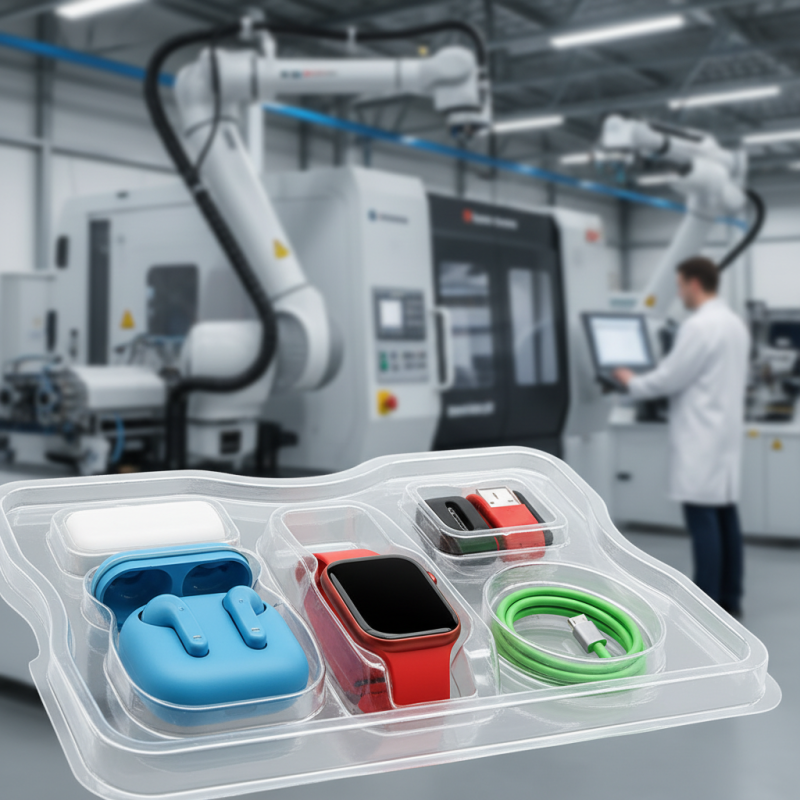
What is Thermoformed Packaging and its Benefits?

Definition of Thermoformed Packaging

Thermoformed packaging refers to a manufacturing process where plastic sheets are heated and molded into specific shapes. This technique allows for a wide range of designs, accommodating various products, from food to electronics. According to industry reports, the global thermoforming market is expected to reach $10.8 billion by 2025, with a significant demand in the food and beverage sectors. The flexibility and versatility of thermoformed packaging make it a popular choice among manufacturers.

One key benefit of thermoformed packaging is its lightweight nature. Lighter packaging means lower shipping costs and reduced environmental impact. However, the ecological footprint should still be scrutinized. While many thermoformed plastics are recyclable, not all facilities accept them. This creates a gap in sustainable practices. Moreover, the uniformity of the material can sometimes lead to vulnerabilities. In some cases, products might not be adequately protected during transport, resulting in potential waste.

Additionally, thermoformed packaging offers an appealing visual presentation. This can enhance product marketing. Yet, brands must balance aesthetics and functionality. Consumers are increasingly aware of packaging waste. They demand sustainable solutions. Therefore, companies should continuously evaluate their packaging strategies to align with consumer expectations and environmental standards. A commitment to improvement is essential in today’s market.

Benefits of Thermoformed Packaging

Thermoformed packaging offers a variety of benefits that enhance product protection and shelf appeal. The bar chart above illustrates key advantages such as Cost Efficiency, Material Versatility, Customization options, Protection capabilities, and Sustainability considerations. Each benefit is expressed as a percentage, highlighting its significance in the packaging industry.

Materials Used in Thermoformed Packaging

Thermoformed packaging is created through a heat-process that shapes plastic sheets into specific forms. This allows for a range of materials to be used, enhancing both functionality and aesthetic appeal. Common materials include polystyrene, polyvinyl chloride (PVC), and PET. Each has its advantages and limitations, making careful selection crucial.

Polystyrene is lightweight and has good insulation properties. It is often used for food packaging due to its safety and affordability. PVC is durable and resistant to chemicals, making it useful in medical applications. However, some concerns about its environmental impact persist. PET is recyclable and known for its clarity, making it popular in food and beverage packaging, yet it can be costlier to produce.

Selecting the right material is not straightforward. Each option has trade-offs, such as cost versus environmental impact. While the benefits of thermoformed packaging are significant, challenges remain in sustainability and performance. It’s essential to reflect on the choices made in material selection. The industry is evolving, but questions linger about balancing functionality and eco-friendliness.

What is Thermoformed Packaging and its Benefits?

Material Type Properties Applications Benefits
Polyethylene (PE) Lightweight, flexible, moisture-resistant Food packaging, protective wraps Cost-effective, recyclable
Polyvinyl Chloride (PVC) Durable, impact-resistant, clear Medical packaging, clamshells Excellent barrier properties
Polystyrene (PS) Stiff, lightweight, good insulation Food containers, trays Versatile and easy to mold
Acrylic (PMMA) Clear, UV resistant, high gloss Retail displays, high-end packaging Attractive appearance
PET (Polyethylene Terephthalate) Strong, lightweight, recyclable Bottles, food trays Sustainability and efficiency

Benefits of Thermoformed Packaging for Manufacturers

Thermoformed packaging is gaining traction among manufacturers due to its efficiency and versatility. According to a recent market analysis, the global thermoforming industry is expected to reach $35 billion by 2025. This growth indicates a strong demand for packaging solutions that are cost-effective and customizable. Thermoformed packaging is lighter than traditional materials, significantly reducing shipping costs.

Manufacturers appreciate how thermoformed packaging can be tailored to their needs. It provides ample opportunities for branding and product display. Custom shapes and sizes enhance shelf appeal, potentially increasing sales. A report by Smithers Pira highlighted that 76% of consumers are influenced by packaging design. This emphasizes the importance of aesthetic in product sales.

However, there are challenges. Certain materials may not withstand extreme temperatures, raising concerns about product integrity. Manufacturers must rigorously test their designs, which can be time-consuming. The sustainability of thermoformed materials is another point of reflection. While many materials are recyclable, the recycling rates vary. Overall, manufacturers must balance benefits with these considerations.

Applications of Thermoformed Packaging in Various Industries

Thermoformed packaging plays a vital role in various industries. It is lightweight and provides excellent protection. This type of packaging is widely used in the food sector. For instance, fresh produce and ready-to-eat meals benefit from thermoformed containers. They keep food safe and fresh for longer periods.

In the medical field, thermoformed packaging holds great importance. Medical devices and components often require secure packaging. These packages ensure the sterility of medical products. Moreover, the cosmetic industry utilizes thermoformed trays and blisters for creams and makeup. This not only improves product visibility but also enhances aesthetic appeal.

While thermoformed packaging offers many advantages, it is essential to consider its environmental impact. Recycling options for this type of plastic are often limited. Users face challenges in finding the right disposal methods. Further exploration into more eco-friendly materials is necessary. Balancing convenience with sustainability is a persistent issue. Each industry can make strides towards better practices.

Environmental Considerations in Thermoformed Packaging

Thermoformed packaging has gained traction in various industries. However, its environmental impact raises important questions. While thermoformed materials can be lightweight and efficient, their production and disposal are significant concerns.

According to the International Thermoformers Association, these packaging solutions are often made from plastics that can take hundreds of years to decompose. Around 73 million tons of plastic packaging end up in landfills annually, contributing to the global plastic crisis. Recycling rates for thermoformed plastics remain low, with some estimates suggesting only 9% of plastic is recycled. This highlights a pressing issue that needs addressing.

On a positive note, advancements in biodegradable options are emerging. Some companies are developing thermoforms made from plant-based materials that break down more efficiently. Despite this progress, the transition to sustainable practices is slow. Education on proper disposal methods is crucial, as many consumers still toss thermoformed items in general trash bins. The industry faces a dual challenge: scaling sustainable solutions while managing the existing waste problem.

FAQS

: What materials are commonly used in thermoformed packaging?

: Common materials include polystyrene, PVC, and PET, each with unique benefits and drawbacks.

Why is polystyrene often chosen for food packaging?

Polystyrene is lightweight, safe, and affordable, making it ideal for food items.

What is a notable drawback of using PVC?

PVC is durable but raises environmental concerns regarding its production and disposal.

How does PET stand out in packaging?

PET is recyclable and clear, but it’s often more expensive to produce than other materials.

What are some applications of thermoformed packaging?

It’s widely used in food, medical, and cosmetic industries for product protection and visibility.

What environmental issues are associated with thermoformed packaging?

Its plastic can take centuries to decompose, and recycling rates are markedly low.

Are there efforts to make thermoformed packaging more eco-friendly?

Yes, advancements in biodegradable materials are being explored, though adoption is gradual.

What challenges do consumers face with thermoformed packaging disposal?

Many consumers struggle to find proper disposal methods, often discarding items incorrectly.

How can industries improve their practices regarding thermoformed packaging?

They can focus on sustainability and educate consumers about environmentally-friendly disposal.

Why is material selection in thermoformed packaging important?

Choosing the right material affects cost, performance, and its environmental impact.

Conclusion

Thermoformed packaging is a versatile and efficient method used to create durable and lightweight containers from plastic materials. This process involves heating plastic sheets until they become pliable, followed by shaping them around molds to produce customized packaging solutions. Common materials used in thermoformed packaging include PET, PVC, and polystyrene, which are selected based on specific product requirements.

The benefits of thermoformed packaging for manufacturers are significant, including cost-effectiveness, reduced waste, and enhanced product protection. Its adaptability makes it suitable for various applications across different industries, such as food, medical, and consumer goods. However, environmental considerations are also crucial, as manufacturers increasingly focus on sustainability by utilizing recyclable materials and optimizing production processes to minimize environmental impact. Overall, thermoformed packaging offers a practical solution for modern packaging challenges while addressing eco-friendly practices.


Ethan

Ethan

Ethan is a seasoned marketing professional with a deep expertise in our company's innovative product line. With a passion for sharing knowledge and insights, he takes the lead in regularly updating our corporate blog, where he explores industry trends, product features, and effective marketing......