The global metal fabrication market, particularly involving stainless steel, has undergone a monumental shift toward high-precision, automated, and sustainable practices. As industries worldwide strive for durability and corrosion resistance, stainless steel remains the material of choice for critical applications in aerospace, medical technology, and renewable energy. Current industrial data suggests that the demand for Custom OEM Metal Fabrication is growing at a CAGR of over 5%, driven by the need for bespoke components that meet rigorous safety and performance standards.
From the bustling industrial hubs in North America to the high-tech manufacturing corridors of Europe, companies are increasingly moving away from "one-size-fits-all" components. They now seek manufacturing partners capable of delivering complex geometries through CNC machining, laser cutting, and precision stamping. This evolution is not merely about shaping metal; it is about integrating material science with advanced engineering to produce components that can withstand extreme environments, from cryogenic temperatures to highly corrosive chemical processing plants.
Dominance in high-grade stainless steel fabrication (304, 316, and Duplex) for global infrastructure projects.
Integration of AI-driven design and robotic welding to ensure 99.9% precision in mass production.
Focus on 100% recyclable stainless steel materials, reducing the carbon footprint of industrial supply chains.
The "Smart Factory" concept is no longer a futuristic vision—it is the current standard in stainless steel fabrication. Industry 4.0 has introduced real-time monitoring of metal stamping and fabrication lines, allowing for predictive maintenance and zero-defect manufacturing. We are seeing a massive trend toward hybrid manufacturing, where traditional subtractive CNC machining is paired with additive 3D metal printing to create lightweight yet incredibly strong internal structures.
Furthermore, the shift toward "Green Steel" is influencing procurement decisions. Global buyers are prioritizing manufacturers who utilize energy-efficient machinery and lean manufacturing processes to minimize waste. The aesthetic flexibility of stainless steel—offered through various finishes like satin, mirror-polish, and PVD coating—is also expanding its use in architectural and consumer electronics markets.
Procurement managers from Fortune 500 companies look for three primary factors in a stainless steel manufacturer: Scalability, Compliance, and Cost-efficiency. In North America, the focus is often on aerospace and defense-grade components where ASTM standards are non-negotiable. In contrast, the European market shows a high demand for stainless steel in food processing and medical instruments, requiring strict hygiene certifications like FDA and CE.
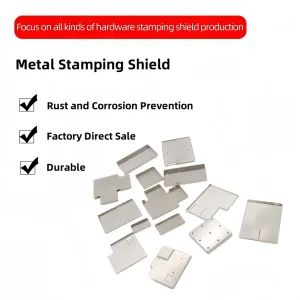
Localized application scenarios illustrate the versatility of our metal fabrication. In coastal regions, 316-grade stainless steel is essential for marine hardware due to its superior resistance to salt-water corrosion. In urban infrastructure, stainless steel is the backbone of modern elevators, transit systems, and decorative facades. For the electronics industry, micro-stamping of stainless steel shielding covers is critical to prevent electromagnetic interference in the next generation of 5G devices.
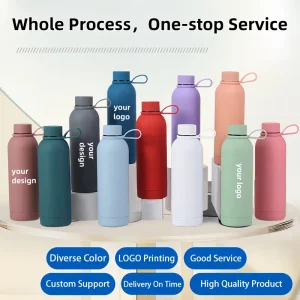
Beyond industrial components, stainless steel fabrication extends into high-end consumer goods. Our 304 double-layer vacuum technology represents the pinnacle of thermal engineering. By utilizing precision deep-drawing and laser welding, we create vessels that maintain temperature for over 12 hours while remaining durable enough for extreme outdoor use.
This product line serves global gift brands, outdoor equipment retailers, and eco-conscious corporate entities looking for sustainable alternatives to plastic. The seamless finish and ergonomic design are the results of our advanced OEM fabrication capabilities.
The "Made in China" label has evolved into a symbol of "High-Tech and High-Value." As a factory located in the heart of the Pearl River Delta—Zhongshan—we leverage one of the world's most sophisticated supply chain ecosystems. Here is why global enterprises choose us:
Instant access to raw material suppliers and surface treatment specialists reduces lead times by 30%.
We provide engineering optimizations that maintain quality while significantly lowering production costs through lean manufacturing.
Proximity to major ports like Hong Kong and Shenzhen ensures seamless international shipping and fast distribution.
Our facility integrates the entire lifecycle of metal fabrication, from initial CAD/CAM design and prototyping to mass production and final QC. We don't just supply parts; we provide comprehensive manufacturing solutions that include assembly and specialized packaging.
Zhongshan Sanyu Carrying Electronics Co., Ltd. was built in 2016, located in the Guangdong, Zhongshan southwest of the Pearl River Delta, is a professional SMD/SMT electronic components carrier tapes packaging and braid equipment manufacturer.
The main production from 8mm-104mm high-precision carrier tapes with various types, such as IC, hardware, SMD/SMT etc carrier tapes, cover tapes and reels products and the design, development, production and sales of braid machine visual inspection equipment and servo powder press and provide valet packaging electronic components. We provide OEM/ODM service.
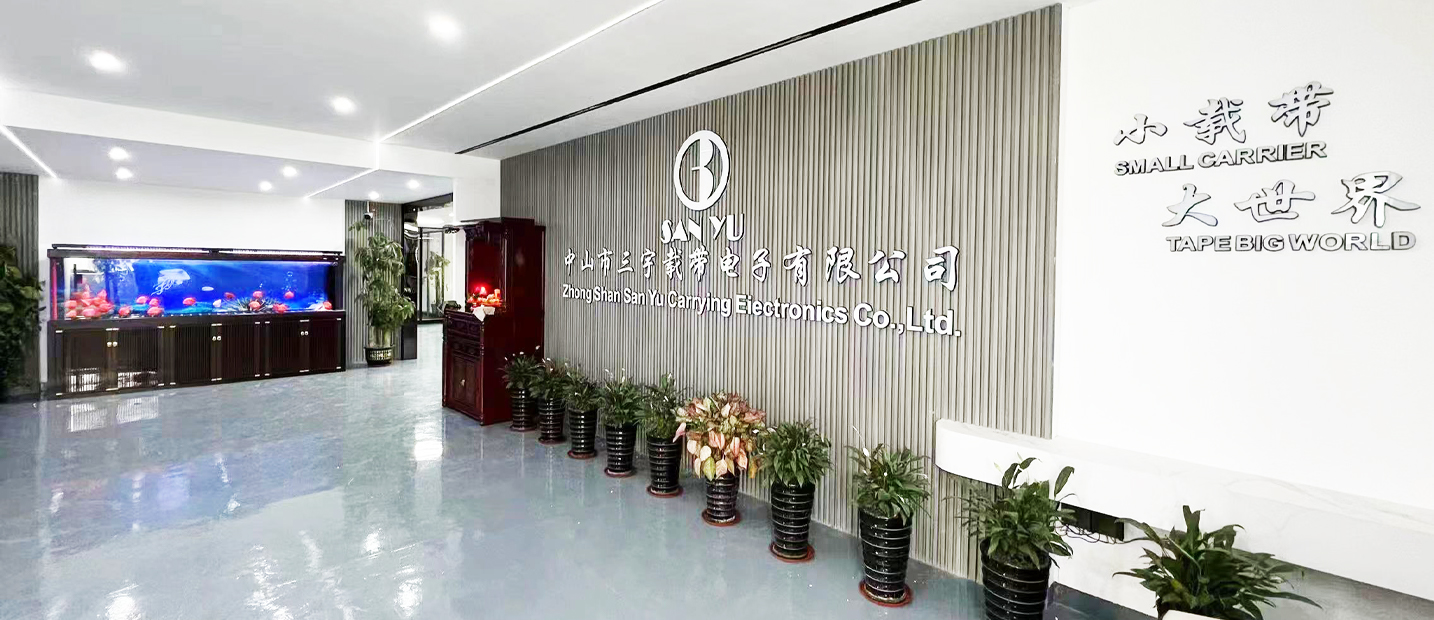
The Company has 108 high-precision production lines and testing equipment. The company has passed the ISO9001 quality management system, product harmful substances testing and high-tech enterprise certification and got a number of equipment patents.
The company to "quality first, service first" for the purpose, adhere to the high starting point, high technology, high quality policy. The strict standardized managements of raw materials, production and processing and sales are implemented and constantly explore the management mode to meet our customer's requirements.
At the core of our Custom OEM Metal Fabrication is a deep understanding of metallurgy. Stainless steel is not a single material but a family of corrosion-resistant alloys. For our industrial clients, we focus on:
Our fabrication techniques, including TIG/MIG welding, fiber laser cutting, and hydraulic pressing, are calibrated to the specific grain structure of these alloys. This ensures that the finished product does not suffer from intergranular corrosion or structural fatigue over time. Whether it's a high-precision shielding cover for a circuit board or a heavy-duty bracket for industrial machinery, our engineering team ensures the material matches the mission.
As we look toward the future, the integration of AI and Machine Learning in our production scheduling and quality inspection continues to set us apart. By analyzing thousands of data points from our 108 production lines, we can identify microscopic deviations before they become defects, ensuring that every shipment to our global partners is flawless.
 Sanyu
Sanyu